Weeks on from the first floods in northern Colombia, thousands of people remain without many of the basics and facing further problems. Find out what you can do to help.
The northern Colombian city of Montería was hit by extreme weather earlier this year, as exceptionally heavy rains flooded the city completely. Thousands of people in the capital of Córdoba have lost everything in the deluge.
While the relentless cycle of news marches on to discuss the upcoming elections, the families affected cannot. Their lives remain in ruins, with further problems coming as the water recedes. Most of the department is relatively poor, with the affected communities overwhelmingly from those in need even previous to this disaster.
The rains have lessened in severity, with fewer downpours and the water is slowly draining, but it will take years to undo the damage that it has wrought. The immediate emergency may be over for the time being, but the recuperation process will take long years to complete.
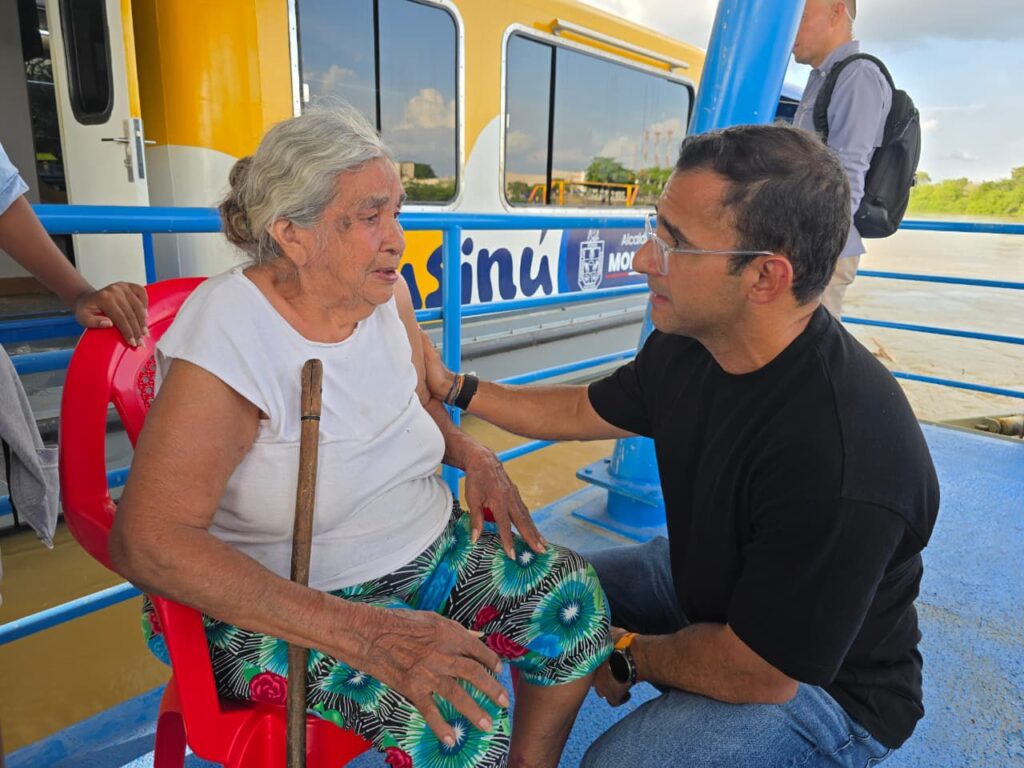
What can you do to help those affected by the Córdoba floods?
Today, the charitable organisation Colombia Unida por Córdoba is launching a donation drive to help those hit by the rains to rebuild their lives as quickly as possible after the deluge. You can donate here to make your contribution to the campaign.
The money raised will go towards rehabilitation and reconstruction of households, schools and medical centres on the one hand and humanitarian assistance such as temporary housing and medical care on the other.
In the short term, thousands of people need immediate help, whether in terms of shelter or medically. Moving into the medium term there will be a need to both rebuild and restock a range of buildings to get people back to their regular lives.
Within the range of services that are needed by the communities under threat are not only physical and monetary assistance but also psychological help for those that have lost everything. Many farmers will need specialist advisory services to reestablish their fields.
The campaign seeks to bring Colombia together in order to help out a department battered by the effects of extreme weather, something that has grown in magnitude in recent years. It is a movement run both for and by Colombians.
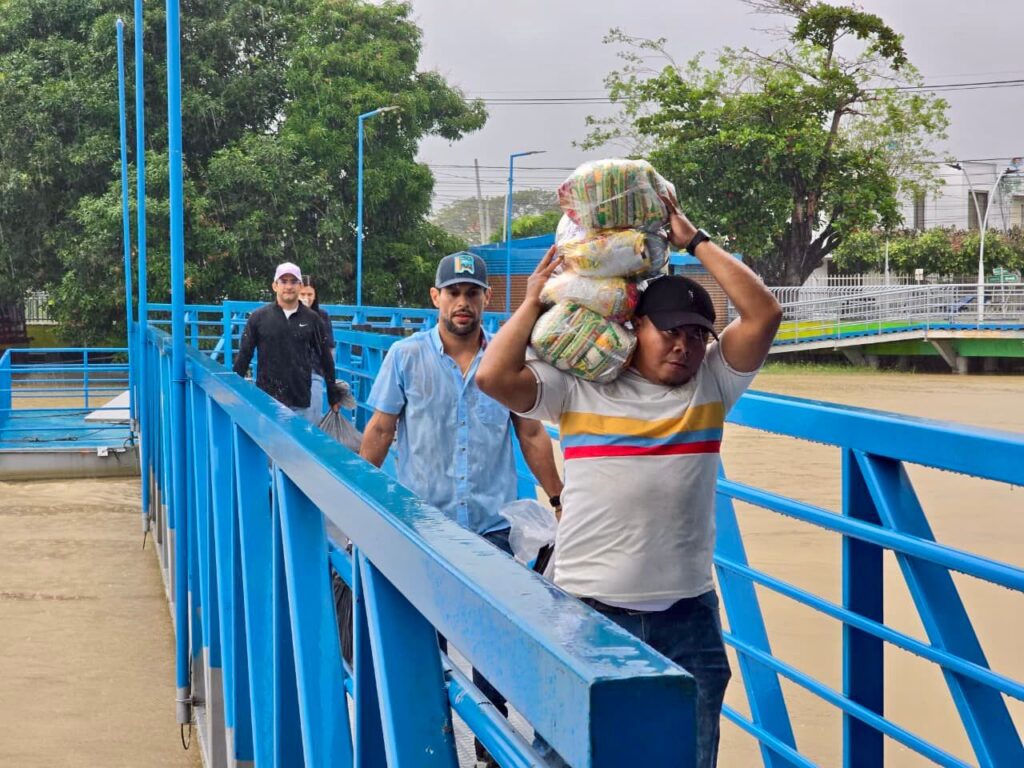
Full transparency and auditing is at the core of the project, meaning you can check where the money is really going, unlike some of the larger international organisations. Moreover, the organisers are people who know the situation from firsthand experience.
The Cruz Roja Colombiana are also taking donations of clothes and building materials at their Salitre centre (Av.68 #68b-31), and you can donate money directly on this link. The local government in Bogotá, too, is organising donation drives on this link.
What’s the situation on the ground?
The capital of Córdoba, Montería, is the worst hit major city in the country, with thousands of people evacuated in the city and surrounds. Over 200,000 people have been directly affected by the rains.
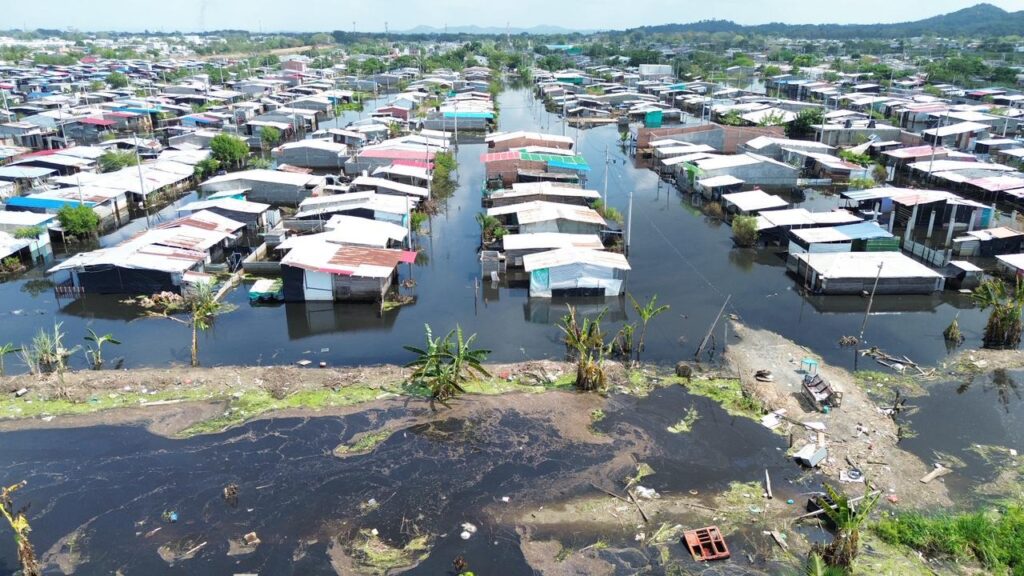
Everyone has been hit hard – 365 barrios across 25 muncipios. Hundreds of farms are underwater, houses have been inundated and 15 Indigenous reservations are among the list of those now facing an uncertain and perilous future.
A lot of infrastructure is in ruins too, with over 2,000km of roads submerged and hundreds of schools and medical centres unusable for at least the medium term and no sign of what comes next. Córdoba is a relatively poor department, without the resources that Medellín or Bogotá can call upon.
Sadly, politics have come into play here too, with Petro clashing with regional governor Erasmo Zuleta over the management of the department. The pair have had a lot of differences over the years. He also said he was initially unable to land in Córdoba due to the risk of an attack.
More reasonable are Petro’s claims that the situation has been exacerbated by water management systems such as reservoirs. These have diverted normal water flows and critically diminished the region’s ability to handle pressure from unusual weather patterns. Zuleta’s response is that the national government oversees the Urrá hydro plant.
The Caribbean coast has been hard hot elsewhere, with Uraba Antioqueño, La Guajira and Sucre joining Córdoba, and the Amazon and Pacific regions have also seen unusually high rainfall for the start of the year.
Even when the rains stop, the long term effects will take years to overcome. Already, bad actors are starting to take advantage of the situation, with desperate houseowners paying through the nose for boaters to rescue their belongings before thieves arrive.
Fields that are now underwater will take an age to fully drain and even longer to recover from the damage currently being wrought upon them. Thousands upon thousands of hectares of farmland will be unusable for the near future.