After a tricky few years post-pandemic, Rock al Parque 2026 shows that Colombia’s biggest musical event is back, baby! Our guide clues you in on who’s playing, how to get there and what to be prepared for.
It’s been a hard few years, but Festival Rock al Parque 2026 is a return to form for the country’s biggest musical extravaganza. The last three years have been distinctly average but this weekend from Saturday October 10th to Monday 12th we’ll be treated to the likes of Ministry, Mon LaFerte, Apocalyptica, HellButcher and Rata Blanca, all for free.
Since the pandemic, the festival has struggled to find its feet, with ex-mayor Claudia López in particular utterly indifferent to the event. It’s been held on consecutive weekends, jumped around the calendar and had underwhelming lineups. This year, all that is starting to change for the better.
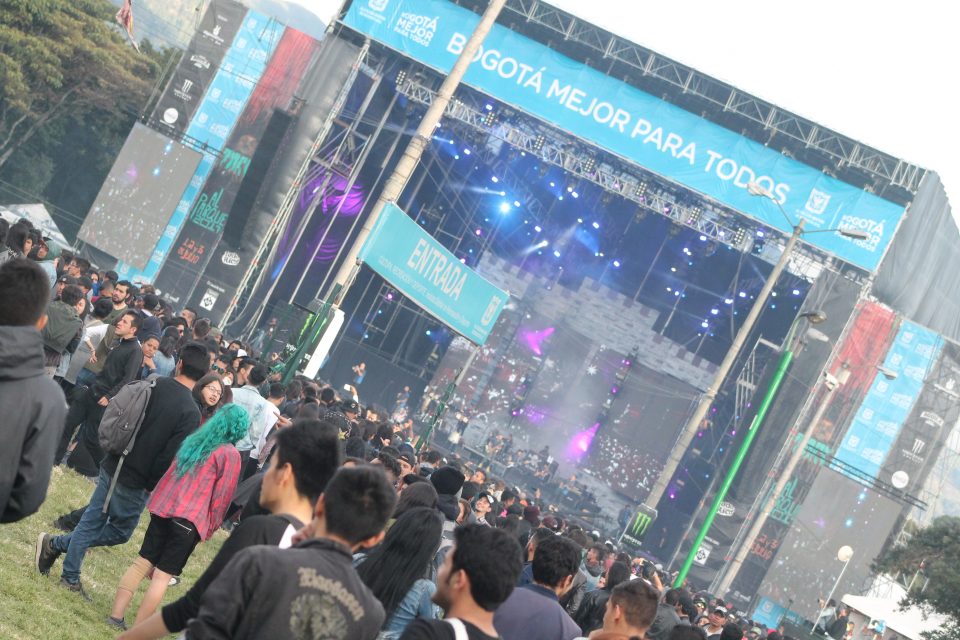
There’s a certain section of Colombian society that gets a bit sniffy about Rock al Parque, mainly because it’s free to enter. It’s a variation on the tragedy of the commons: people don’t appreciate the event because it’s so easily accessible. Therein is its genius, though, as it gives an opportunity to thousands and isn’t walled off to those who can pay top dollar.
Be under no illusions: this lineup is solid throughout, both for big international names and for local bands looking to make an impact. It’s well curated, too, with local bands being given good billing spots and a careful balance between the days to give every genre a chance to shine.
Who’s on the lineup at Rock al Parque 2026?
Saturday first, and this is where the PURE FUCKING METAL is. The biggest names are Stratovarius and Apocalyptica, which is a bit…different. The latter don’t feel like a main stage headliner, but they have history here so let’s hope to be proven wrong. Sweden’s Hellbutcher and Grave are more traditional heavy metal offerings, along with Triptykon playing Celtic Frost and Hellhammer classics. Ooh!
Bogotá is itself a huge metal city though, so apart from the Nordic nightmare, there’s even more rolo riffs. Vein are local lads with a loyal following who have smashed this stage before. Ataque de Pánico and Syracusae are back to back on the second stage with the latter already making an impact at home and abroad.

Over on the BBC stage, there’s a Kraken set which will honour rolo legend Elkín Ramírez, El Titán de Rock. Pornomotora are class as well later in the day. Meanwhile the punky third stage sees both IRA and Nadie crossing the Cordilleras.
Super sunday is soaked in star ska soup on the second stage, with local heroes Skampida leading the charge for Rolo bands, ably supported by Desorden Publico, Brigada RPF and El Punto Ska. Headlining are Gondwana from Chile, with the Tokyo Ska Paradise Orchestra on at sunset. It’s a saxophonist’s dream.
The main stage is noticeably calmer today, with Chilean showstopper Mon LaFerte the dominant name. She was last here in 2017 and already titanically talented then. Following performances in the city have been bigger still, so expect a weekend-defining set from this spectacular shapeshifting chanteuse.
Word up for local boy Esteman just before Mon LaFerte. It’s a big stage, but he’s precisely the sort of personality who can grab the rose by the thorns and rise to the occasion. Los Prisioneros are on mid arvo, so worth turning up early doors for them too. Finally, perhaps the hidden gem of the festival is pulsating paisa post-punk Margarita Siempre Viva on the BBC stage.
Monday sees the close of the weekend’s festivities with the titanic presence of however the fuck you describe Ministry. Expect furious denouncements of Trump and graphic imagery. Musically, who knows? Al Jourgenson is idiosyncratic at the best of times, so you might get classics from the eighties/nineties or entirely newer stuff. It’ll be loud and abrasive for sure.
Somewhat mentally, it’s Rata Blanca from Argentina that’ll actually close the festival. You know that great tradition of Porteño post-punk like Soda Stereo? These guys aren’t like that. They’ll grind through an hour of plod-rock. Incredible that Editors are timed to clash with Ministry and these guys get a largely clear run.
Luckily, there’s loads going on elsewhere on the bill. Bogotá represents with Lika Nova and Laura ‘la Chinita’ Pérez and Los Elefantes standing out. From México, Las Fokin Biches open the second stage and Kill the Clowns finish the BBC stage. The Southern Cone provides Trotsky Vengarán and Los Bunkers.
What’s Rock al Parque like?
First things first, work out how you’re arriving at the venue. There are two entrances for the general public: off Calle 63 and arriving at the back of the main stage or from the Esperanza close to calle 53, entering nearer the second stage. As the biggest event in the country, there will be tens of thousands of people flooding through the gates, meaning long queues.
This is exacerbated by the security: there’s a long list of prohibited items and a longer list of people trying to push their luck with the guards. Don’t bring belts that have studs or heavy buckles, for example. Notably, no colours. That means local and foreign teams and probably national kits, so just don’t even consider a football top.
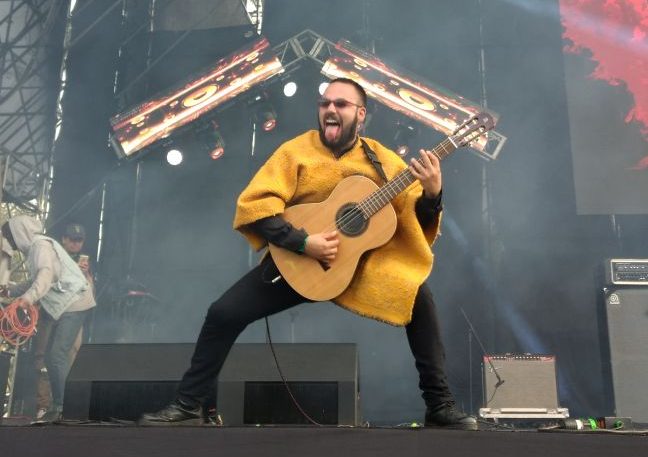
Once you’re in, you’ll have to navigate the park itself. The second stage is back-to-back with the main stage, meaning that getting between them can be a mission later in the day when the crowds have swelled. The toilets are bearable if not exactly a pleasure to visit.
Alcohol is only allowed in certain areas and there will be checks for age. There are plenty of food stalls all at reasonable prices and with a good range of choice. If you have a long wait between bands there’s a decent market featuring mainly small local operations for unique items.
Bogotá is at best unpredictable when it comes to weather, so make sure you have sunblock and decent waterproofs. There’s a few water fountains on the site, but it will take a long time in a queue to fill up a bottle, so you may be better off just splashing the cash on a new one.
At hometime o’clock things could get dicey. The multitudes milling about will put a huge strain on transport, whether that’s buses, taxis or cars. It’s often worth wandering down to Pablo Sexto to call a car – once you’re out of the trancon, things calm down quickly. Be careful, too, as the festival has a reputation for danger late on.
What’s the story of Rock al Parque?
In the late nineties, frustrated by a lack of opportunities for rock in the capital, a group of visionaries came together to build something for the new Colombia that was developing. Local legends La Derecha and maverick promoter Julio Correal were the driving forces behind the birth of the project.
It’s always been 100% free and shorn of paid-for VIP areas, with a strong focus on promoting local bands. For three decades, the festival has provided succour for rockeros in Bogotá. Bands have a shot at not only playing, but getting a decent slot on a big stage. Fans have the chance to see world-class bands for free and see their local heroes in the same setting.
It took a while for The Man to get involved, but after the event refused to die, the Distrito couldn’t ignore it any longer. By the turn of the century, IDARTES had waded in to help organise the festival. That meant stability was ensured and the local government left the organisers with a fair bit of freedom.
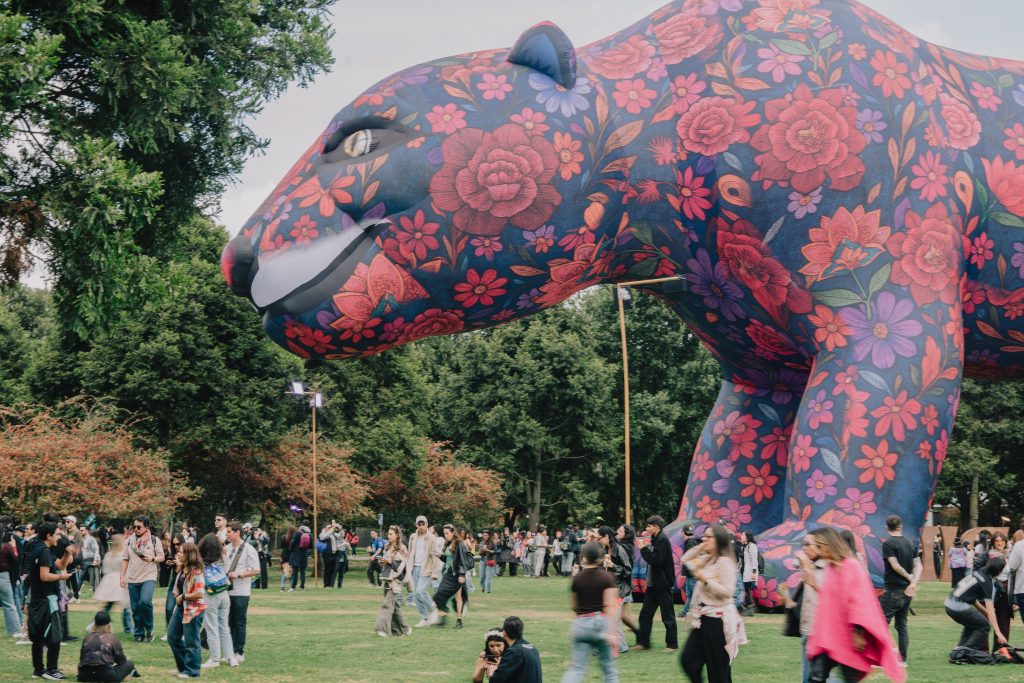
A combination of freedom to operate, government money and financial stability meant a thousand flowers bloomed. Top Latin bands started flowing in and the festival successfully diversified to welcome punks, metalheads and ska fans among others.
By the middle of the century’s first decade, top international headliners were commonplace, including Apocalyptica and Suicidal Tendencies, the first of whom are returning for Rock al Parque 2026. Up until the pandemic, the festival was going from strength to strength and famous both at home and abroad.
Then, Covid hit, writing off the 2020 edition of Rock al Parque. That was however, only part of a cocktail of problems. Festival Cordillera started up in the same location, providing competition and Festival Estéreo Picnic moved back a couple of years ago. Worst of all, Claudia López was in the Liévano and she’s no rock fan.
After three years of jumping around the calendar and a nadir when it was held on consecutive weekends, mayor Galán seems to have got it back on track in his penultimate year. That’s a massive win for rock fans in Bogotá and for the whole city.