1 week after the massive Western Colombia earthquake, we round up what’s happened, how you can help and what you should know.
The Western Colombia earthquake last Monday caused immense damage over a wide swath of the country, with the death toll standing at 304 as of Tuesday the 18th August. On top of that is a vast toll of people who have been evacuated and/or injured as well as collapsed buildings. There is a huge reconstruction task ahead.
This has affected people across Colombia, not just the regions directly hit. Bogotá only felt a relatively mild tremor, but many here have friends and family in the affected zones and there has been an outpouring of patriotic solidarity from the country and the diaspora. Bogotá alone has sent over 2000 tons of aid.
New president Abelardo de la Espriella has put a localised state of emergency into place and suspended various activities to focus on the regions most affected by the event. So far, the new administration has relied mainly on highly skilled Colombian search and rescue teams rather than waves of unaccredited foreign personnel, which has ruffled some feathers.
Now, the phase of searching for people trapped in rubble is largely over in most zones, with attention now focusing on the long and painstaking process of recovering, stabilising and rebuilding. This will take months just to get the first two steps sorted and likely years for the latter.
Colombia’s western coast is part of the Pacific ring of fire, meaning that it is prone to volcanic and seismic activity. This was the largest event for decades in the country and the third-largest on record. Earthquakes in Colombia tend to be further west, but the eastern cordillera has seen activity over the past few years too.
The immediate threat of significant aftershocks has subsided for now, but we should all be aware that recent much smaller seismic events have come grouped together so our collective guard remains up. Occasional small tremors have hit Chocó over the past week, but so far none has been worrying.
The Western Colombia earthquake has not affected everyone in the same way. Even within the same city, there is often an enormous difference in quality of house building and ability to weather events such as this. The problems faced in large cities are also different to the travails in rural zones, too.
Unsurprisingly, some in Colombian politics have attempted to use the Western Colombia earthquake to attack their rivals. That’s been called out across the spectrum as inappropriate and untimely. While due scrutiny is necessary, it’s counter-productive to criticise things that are yet to happen or make spurious claims.
What can you do to help people after the Western Colombia earthquake?
Most rapidly and most easily, you can make donations. That can be financial or in kind, with clothes, torches, food, medical supplies and bedding high on the priority list. Other items that you may not have thought of are also necessary, such as toys for children or whistles. As we move towards the next phase of the crisis, building materials are increasingly in demand.
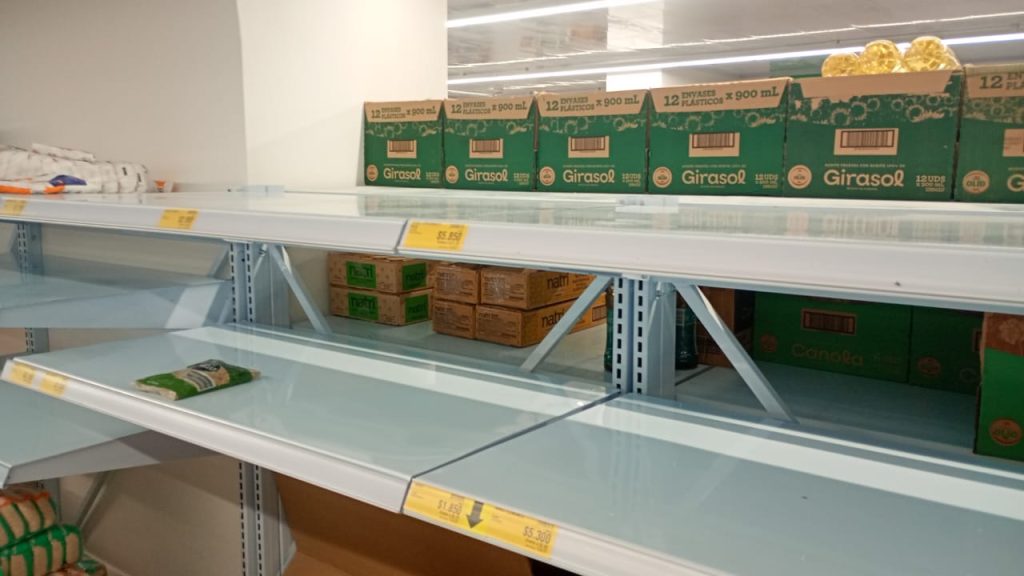
Most places that are accepting donations will have a list of priorities to check, so make sure you are giving them what they are looking for. Many supermarkets and smaller shops are experiencing runs on staple goods as a result of this.
There are dozens of fundraising drives across the country right now, many run by people trying to help their home areas. Do your due diligence on any that you might see. Shops such as D1 have a kit that they will send on your behalf if you ask. The local government in Bogotá has put the palacio de deportes in Salitre as a point of donation from 8 till 8 daily. This is run by local volunteers and local government workers.
Large international organisations such as the Red Cross (Cruz Roja) are a sure bet, but they often have hefty administration costs and wage bills, so there are plenty of reasons to prefer more direct aid. A striking feature of the last week has been the fast response by small, local and agile organisations both in big cities and rural areas.
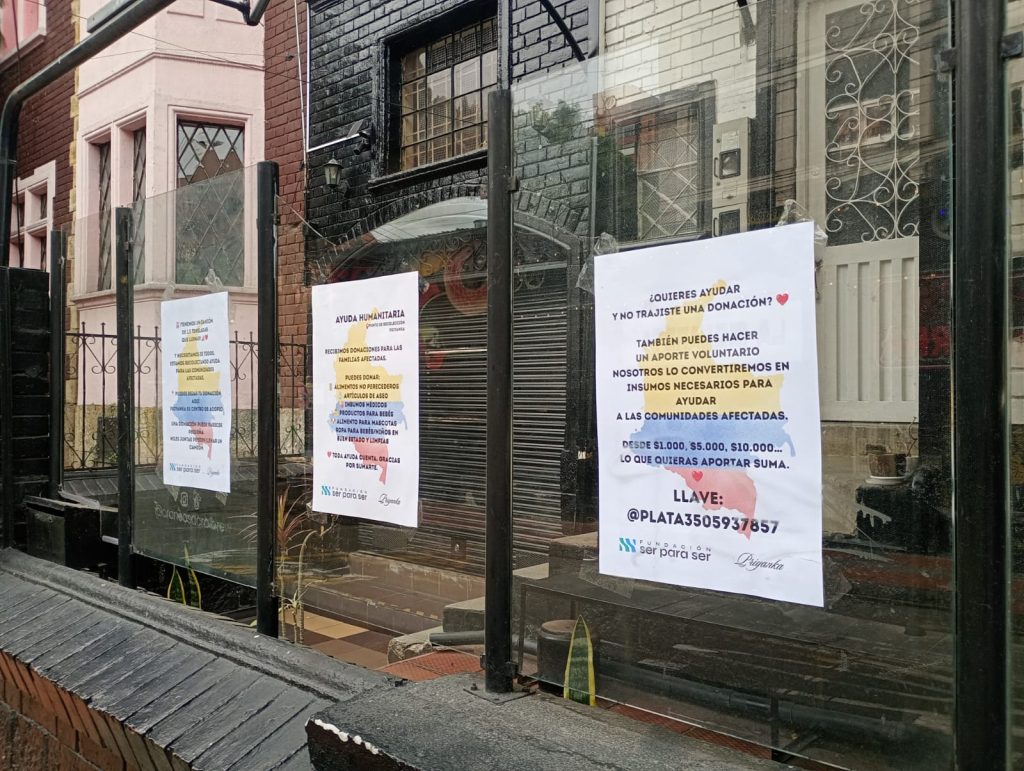
Across Bogotá there are places to make donations, from shops and malls to trucks and vans at venues and events. Much of this is voluntary and any help you can give, whether financial or in kind will be highly appreciated.
Donations are not the only way to help, though. If you have relevant expertise or experience, you can volunteer to help out. Only visit if you can provide direct help, though. Areas already under severe strain don’t need more people complicating matters. Check in on friends and family members – people will need and value moral and emotional support as well as practical help.
Other businesses are opening their doors to help out further and to lend a hand to those with other needs. For example, some places are being turned into temporary lodgings for people with nowhere to stay, veterinary services are providing shelter for animals in similar situations and theatres are offering creches for children whose parents are handling emergencies.
Where has been affected by the earthquake in Western Colombia?
The epicentre of the Western Colombia earthquake was in San José de Palmar, Chocó. While the area itself is relatively isolated, there are a number of big cities and towns within 200-300km. Given the huge size of the event, all of them were hit hard.
Despite being the epicentre of the Western Colombia earthquake, Chocó has remained largely out of the headlines. The department is notably poorer than most of Colombia and many rural zones have been absolutely devastated, with whole villages collapsed. De la Espriella has announced a ‘Marshall Plan’ for rebuilding, but details remain limited for now.
Compounding the trouble is that a lot of those villages are very isolated, meaning that access for rescue and emergency operations in the short term is difficult, while long term rebuilding will face logistical challenges far and beyond those faced by city dwellers or rural areas with good surrounding infrastructure.
Buenaventura, Colombia’s largest port on the Pacific Coast has also been badly affected, with collapsed buildings across the city and the port forced to close. That will affect both incoming aid and the trade that the city relies on. Again, this is a city that faced issues before the earthquake, making everything more difficult.
The largest city to be badly affected, Cali has seen buildings fall and mass evacuations, many precautionary to avoid risk of further damage from nearby unstable edifices. The city was put on lockdown immediately and the military were deployed to try and guarantee order.
Armenia, Manizales and Pereira have all been hit hard, with the latter worst affected. People have been evacuated and buildings have collapsed. Buildings that remain standing have suffered extensive damage, with pre-emptive evacuations in place to avoid further damage.
Avoid non-essential travel to any of these regions for a while, as you will be getting in the way of critical emergency relief – there is already congestion on many roads. However, once things have settled a little more, inflows of tourism and its associated benefits will be welcomed.
What should you do if a Colombian earthquake happens?
Authorities advise keeping a go-bag ready in case of earthquakes. This should be easily accessible, near to the door and not overpacked so you can get it easily. Put in long lasting foodstuffs such as nuts and tinned goods. Toiletries and a first aid kit are necessary, plus a battery powered torch, radio and whistle plus a rainproof poncho.
Leave the building if you can do so without immediate danger. Do not use lifts, use the stairs instead, if necessary using emergency exits. If you have vulnerable people with you, help them as much as possible but put yourself first. Dogs will be easy to get out, but you may have to leave other animals behind, especially if they are hiding in inaccessible spots.
Once out of the house proceed to an easily accessible wide open area, or at least as open as you can find. Let someone know where you currently are or where you may head as soon as practically possible. Remember that phone signal may fail, so give as much information as possible in the least number of words.
After the event, things may not return to normal quickly, so be prepared to be without your things for a while and find somewhere to shelter if you can. Do not assume that you will be able to enter your home in the short term, as safety teams will be working on a strict priority order and may need time to get around to you.
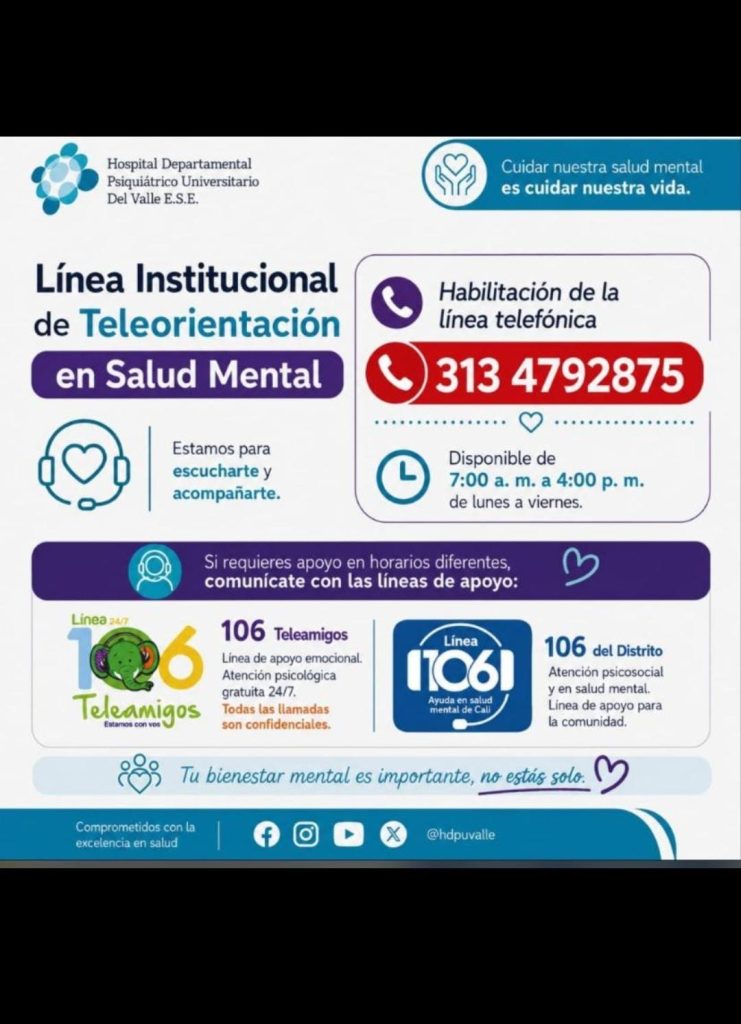
That applies to mental health, too, which is often overlooked. It’s normal to have lasting effects such as anxiety, hypervigilance and depression long after the immediate threat has passed. Give yourself and those around you the space necessary to deal with the weight of events and remember to check in on those that may be most at risk.